
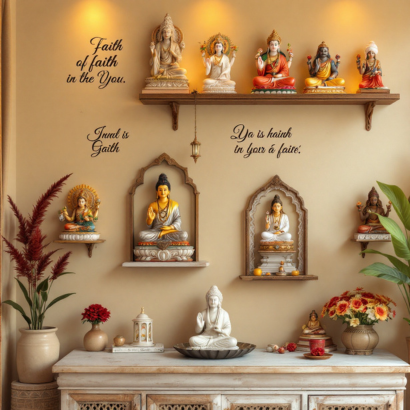
In Indian households, the placement of idols holds more than just decorative value—it’s a spiritual practice deeply rooted in tradition and belief. Idols represent divine presence, serve as a focal point for devotion, and help build a peaceful and positive environment at home. However, many overlook the importance of how and where these idols are placed.
Following the correct placement guidelines is essential to ensure that the spiritual and energetic impact of these sacred symbols remains pure and powerful. Here’s what every devotee should know.
Why Idol Placement Is So Important
Idols symbolize the divine energy we worship. Whether it’s Lord Ganesha for removing obstacles, Goddess Lakshmi for wealth, or Lord Shiva for spiritual transformation—each form carries unique energies. Placing these idols in the right place ensures those energies flow harmoniously within the home.
Incorrect placement may lead to energetic imbalances or, at times, an atmosphere of restlessness, despite regular prayer or offerings. The aim is not only to invite blessings but to maintain an ongoing spiritual harmony.
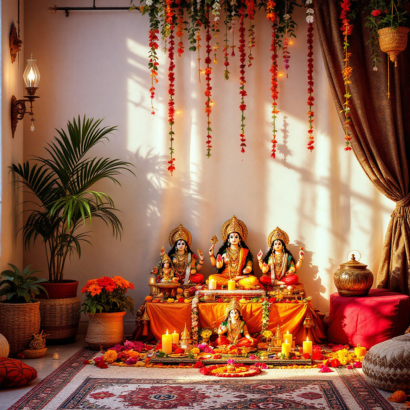
Vastu Guidelines for Idol Placement
Vastu Shastra, India’s ancient science of architecture, provides well-defined rules to guide idol placement. These help balance natural energies and align the home with spiritual vibrations.
1. Ideal Direction
- The northeast corner (also known as the Ishan corner) is the most auspicious for placing idols or setting up a prayer room.
- The devotee should ideally face east while praying.
- Deities should never be placed facing south as it is considered inauspicious.
2. Placement Height and Position
- Idols should be placed at or slightly below eye level when seated.
- Avoid placing idols directly on the floor. Use a clean, raised wooden or marble platform.
- Keep a small gap between the idol and the wall to allow air and energy flow.
3. Material Considerations
- Idols made of clay, brass, wood, or marble are recommended.
- Avoid idols made from glass or plastic, as these materials are not traditionally associated with sacred energy.
4. Number of Idols
- Do not clutter the prayer space with multiple idols of the same deity.
- One form of each deity is sufficient and spiritually more effective.
Common Mistakes to Avoid
Even the most devoted households can make innocent mistakes. Here are a few things to watch for:
- Broken or chipped idols should not be worshipped. They must be respectfully immersed or removed according to ritual.
- Placing idols in the bedroom or near the bathroom is discouraged.
- Using idols as decor without offering respect, prayers, or cleanliness reduces their sacred significance.
- Storing unused or old idols in drawers or closed boxes is considered inauspicious.
Each idol deserves care and reverence. A well-maintained spiritual corner becomes a reservoir of calm and positivity in the home.
Spiritual Benefits of Correct Placement
When idol placement follows Vastu principles, the positive effects can be seen in daily life:
- Enhanced concentration during prayer or meditation
- Reduced stress and a calm, centered mind
- A sense of protection and security in the household
- Improved harmony in relationships
- Attraction of wealth, health, and general well-being
For example, placing Lord Ganesha near the entrance is believed to remove obstacles from one’s life. A Buddha idol in the northeast corner can foster mindfulness and peace.
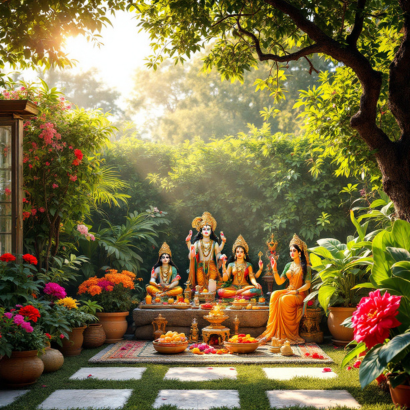
Final Thoughts
Bringing home a deity is an act of devotion—but the way we honor that presence through placement and care is equally important. When done with the right intention and according to ancient wisdom, idols can transform our homes into sacred spaces filled with peace, energy, and divine protection.
Whether you’re setting up a puja room or simply dedicating a quiet corner, let tradition and mindfulness guide your steps. In doing so, your home will not only reflect faith—it will radiate it.